War in Our Time
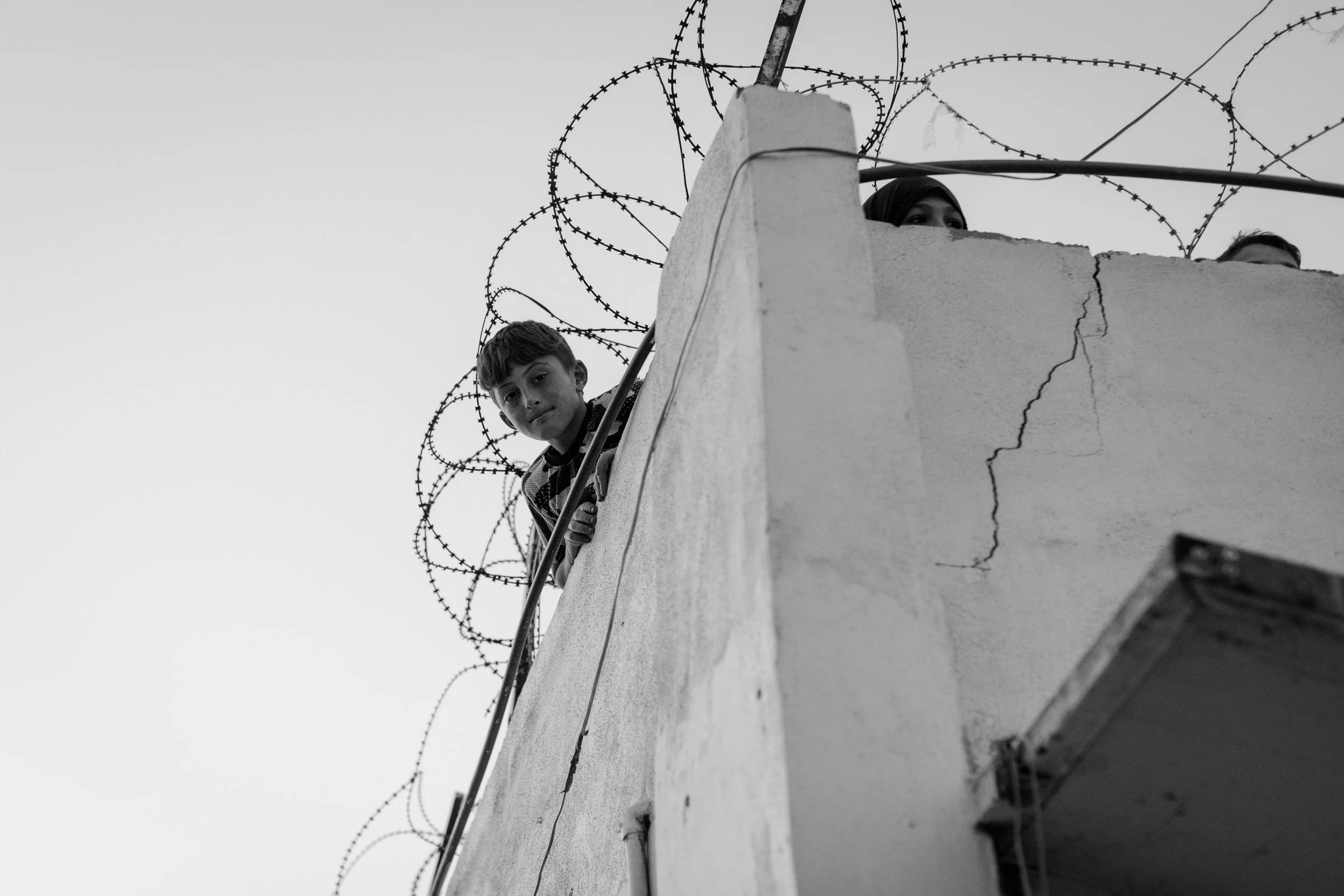
Photo by Abd Alrhman Al Darra
War in Our Time: How Global Conflicts Are Undermining Sustainable Development and the Future of Humanity
As violence escalates across parts of the Middle East — including the ongoing war in Gaza and rising tensions involving Israel, Lebanon, and Iran — the consequences extend far beyond borders. These conflicts are not isolated political events. They are deeply interconnected with the future of sustainable development, the wellbeing of children, and the long-term stability of our planet.
Sustainable development is built on three pillars: economic stability, social wellbeing, and environmental protection. War systematically weakens all three.
Development Reversed in Months
Armed conflict can undo decades of progress in a matter of weeks. Infrastructure such as hospitals, schools, water systems, roads, and energy facilities are often damaged or destroyed. Economic activity slows or collapses entirely. Local businesses shut down, investors withdraw, unemployment rises, and poverty deepens.
When economies shrink due to war, funding for climate initiatives, renewable energy projects, sustainable agriculture, and social programs is often redirected toward military spending or emergency relief. Long-term environmental and development goals are postponed indefinitely. Regions already vulnerable to climate change become even more fragile when governance and infrastructure deteriorate.
The ripple effects are global. Conflicts in key regions disrupt trade routes, energy supplies, and food systems. This contributes to rising fuel and food prices worldwide, disproportionately affecting low-income communities and developing nations that are least responsible for global instability yet suffer its consequences most severely.
Children Pay the Highest Price
Children are always the most vulnerable victims of war. They lose not only homes and security, but also access to education, healthcare, nutrition, and emotional stability.
When schools are damaged or closed, education is interrupted — sometimes permanently. A generation growing up without consistent schooling faces limited economic opportunities, reduced earning potential, and increased exposure to exploitation or radicalization. The long-term developmental loss extends far beyond the battlefield.
Psychological trauma is another invisible but lasting consequence. Exposure to violence, displacement, and loss deeply affects mental health. Without adequate support systems, trauma can shape a child’s entire life trajectory, influencing relationships, productivity, and community stability for decades.
Sustainable development is fundamentally about intergenerational equity — ensuring that today’s actions do not compromise the wellbeing of future generations. War directly violates this principle.
Environmental Damage and Climate Setbacks
Conflict also carries a heavy environmental cost. Bombings and military operations release pollutants into air, soil, and water. Infrastructure destruction leads to unmanaged waste, contaminated water sources, and damaged ecosystems. Fires and fuel leaks increase carbon emissions precisely when global cooperation on climate reduction is urgently needed.
Moreover, international attention shifts away from climate action during periods of war. Diplomatic energy that could address renewable transitions, biodiversity protection, or global carbon commitments is redirected toward crisis management and geopolitical positioning.
In a time when the planet requires unprecedented collaboration to address climate change, large-scale conflict fractures trust and cooperation between nations.
Humanity at a Crossroads
Sustainability is not only about green technology or economic growth. It is about peace, dignity, stability, and the protection of human life. Without peace, sustainable development cannot take root.
The current conflicts remind us that humanity remains deeply interconnected. Regional wars have global economic, environmental, and humanitarian consequences. They destabilize fragile systems and delay collective progress toward a more equitable and resilient world.
For children growing up today, the question is not only whether the violence will end — but whether the world will rebuild with a renewed commitment to peace-driven development. If sustainability is truly about securing a livable planet for future generations, then diplomacy, humanitarian protection, and conflict prevention must be recognized as central pillars of sustainable progress.
The path forward requires courage: to prioritize dialogue over escalation, cooperation over division, and long-term planetary wellbeing over short-term power struggles.
Because without peace, there is no sustainability. And without protecting children, there is no future.