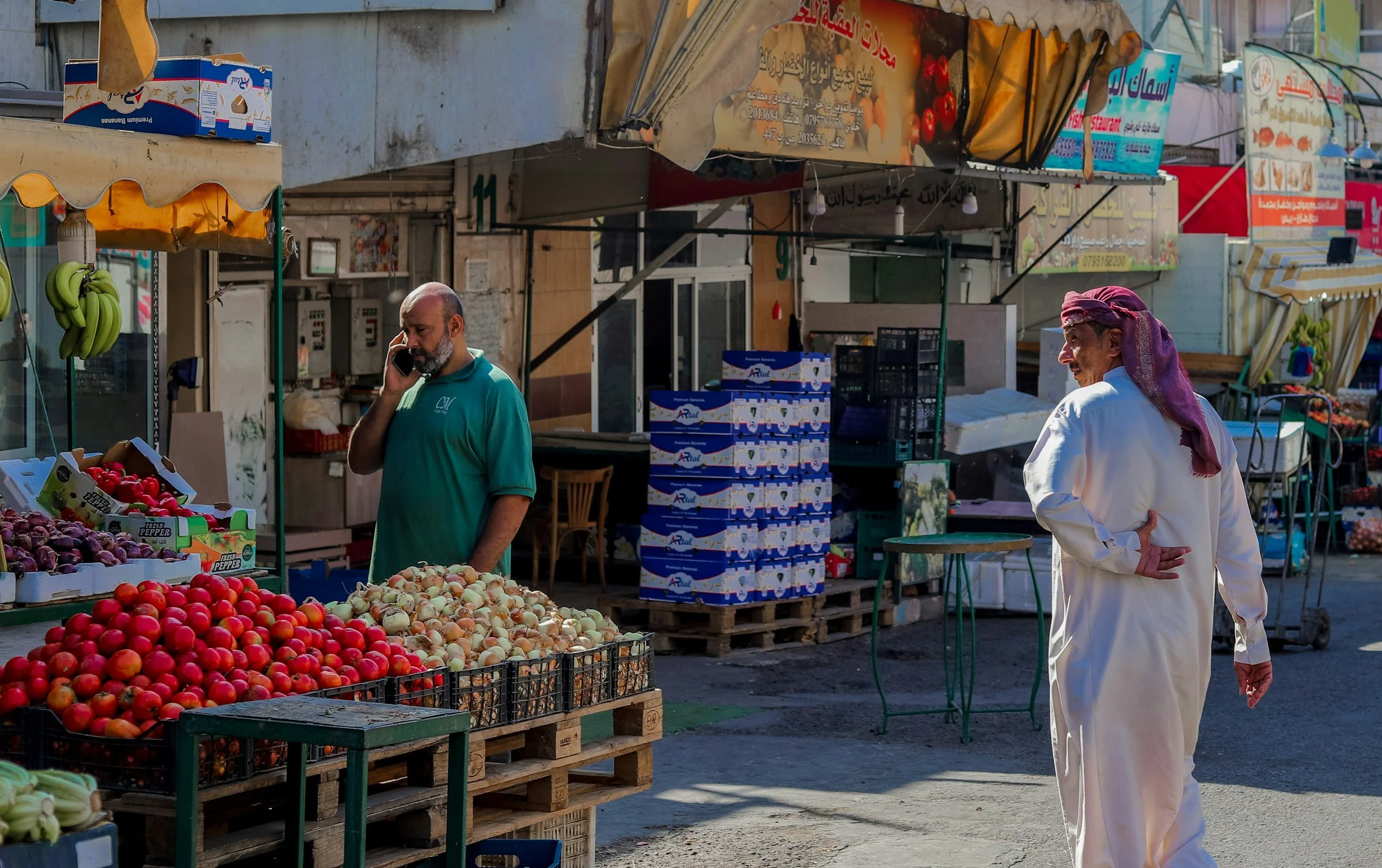
A menu is also a map of a food system. Every dish reflects decisions about where ingredients are grown, how they are stored, how far they travel and what is wasted along the way. In the Middle East, building a more resilient food system means balancing reliable supply with limited water, high temperatures, changing climate conditions and the need to protect natural resources.
Local does not mean simple. Growing food in an arid environment requires careful choices about crops, soil, irrigation and technology. Greenhouses, hydroponics and other controlled-environment systems can produce selected crops with efficient use of space and water, but they also require energy, equipment and technical expertise. Their benefits depend on the crop, the production method and the energy source. A credible food strategy compares impacts rather than assuming every local product is automatically more sustainable.
Hospitality can help create dependable demand. In January 2026, the UAE’s National Agriculture Centre launched the Sustainable Product initiative, which aims to increase the share of locally sourced agricultural and animal products used across the country’s restaurant and hotel sector to 25 per cent. The initiative’s first framework included agreements with hospitality and supply-chain partners. The important idea is commercial: farmers are more likely to invest when they can see a dependable market for what they grow.
What restaurants can do now. Chefs and purchasing teams can start by identifying ingredients that are available locally and seasonally, agreeing realistic volumes with producers and planning menus around supply. Clear communication matters: farmers need accurate forecasts, while kitchens need consistent quality, delivery and food-safety standards. Restaurants can also use whole ingredients more creatively, measure food waste and improve storage to protect the value of what they buy.
What consumers can ask. A restaurant that says it supports local agriculture should be able to identify at least some of its suppliers or explain which ingredients are locally sourced. Diners can ask what is in season, choose menus that make use of available produce and avoid ordering more than they can eat. These choices are modest individually, but they help make demand visible.
Food resilience is bigger than a single ingredient. A robust system needs diverse suppliers, efficient cold chains, safe water, soil stewardship, responsible animal production, research and practical support for farmers. It also needs to recognise the realities of cost and scale: small producers may need aggregation, logistics and purchasing agreements to supply large hotels consistently.
The opportunity for a new regional food culture. Local sourcing need not be a nostalgic exercise. It can connect chefs with growers, bring new ingredients into contemporary cuisine and create markets for agricultural innovation. When purchasing commitments are realistic and results are measured, farm-to-table becomes more than a menu phrase. It becomes a relationship that can strengthen livelihoods, reduce avoidable waste and contribute to a more resilient food supply.