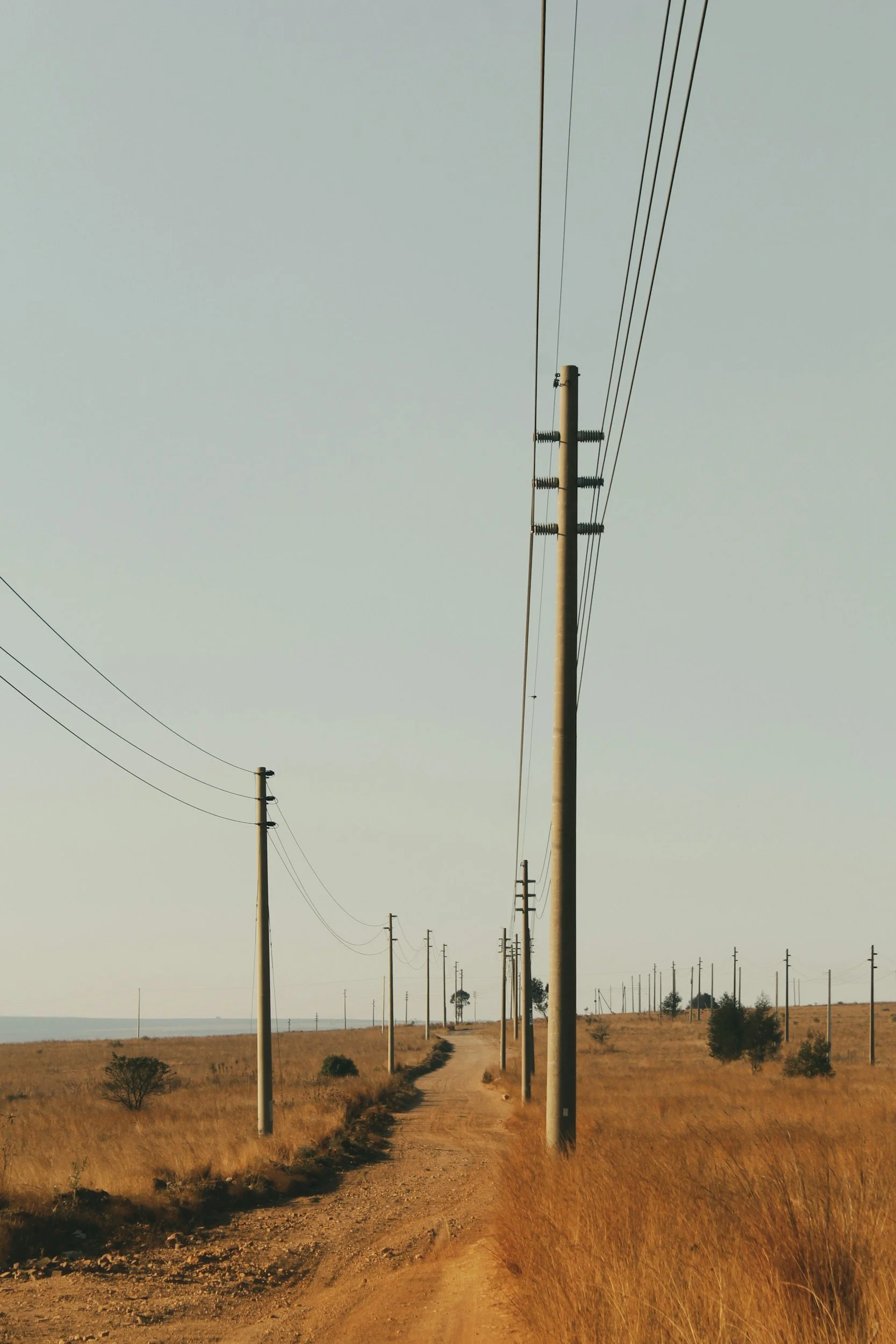
Energy access is a foundation for opportunity. Electricity supports schools, clinics, farms, small businesses, digital services and local manufacturing. Yet access remains uneven across the continent. The International Energy Agency’s 2025 report on financing electricity access in Africa estimated that almost 600 million people lacked access to electricity and said universal access would require investment to scale to around US$15 billion per year. The scale of the challenge is enormous, but so is the potential for solutions designed around local needs.
Beyond the traditional grid. Large-scale renewable projects and stronger national grids are essential in many places. In remote communities, however, extending the grid can be slow or expensive. Solar home systems, mini-grids and productive-use equipment can offer additional pathways. A mini-grid can supply several homes and businesses; a solar system paired with storage can power lighting, refrigeration or communications. The right design depends on demand, affordability, maintenance and the local regulatory environment.
The business case matters. Clean energy is more likely to endure when it supports productive activity as well as household consumption. Reliable electricity can help a farmer chill produce, a clinic preserve medicines, a workshop run equipment or a shop stay open after dark. Developers need to understand what customers can pay, how demand changes through the day and whether local businesses have the equipment and skills to use power productively.
Finance must match the project. Energy-access projects can require substantial upfront investment while serving customers with limited ability to pay. Public finance, development institutions, commercial investors, guarantees and blended-finance structures may all have a role. But funding models must be transparent about tariffs, maintenance, currency risk and who bears the cost if assumptions prove wrong. A project that is technically impressive but financially fragile may not deliver lasting access.
Technology is only one part of the solution. Reliable systems need trained technicians, spare parts, clear customer service and realistic maintenance plans. Batteries need appropriate handling and an end-of-life pathway. Solar panels need responsible procurement and eventual recovery or disposal. Communities should be involved in decisions about siting, tariffs and service expectations, while women and underserved groups should have meaningful access to the benefits and jobs created.
Measure what changes for people. Installed capacity is an important metric, but it does not tell the whole story. Useful indicators include hours of reliable service, affordability, connections that remain active, businesses supported, fuel displaced, emissions avoided and the quality of service over time. Transparent reporting helps communities, funders and governments distinguish durable progress from short-lived pilots.
A continent of different markets. Africa is not a single energy market. Policy, grid reliability, resources, income levels and customer needs differ widely between countries and regions. Solutions that work in one setting may need substantial adaptation elsewhere. The most promising innovators combine technical capability with local partnerships, a deep understanding of customers and a plan for long-term service.
From access to possibility. Clean energy is not an end in itself. Its value lies in the opportunities it makes possible: safer healthcare, stronger livelihoods, more resilient businesses and better access to education and information. The next chapter of Africa’s energy transition will depend on investment and infrastructure, but also on the people building systems that communities can afford, trust and maintain.